
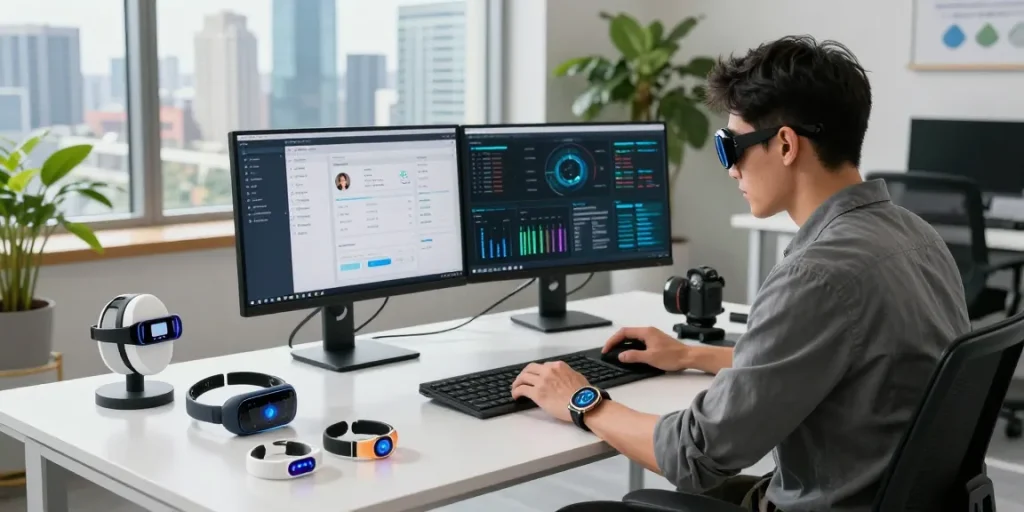
The Future of AI Wearables: Key Trends for 2026
As technology continues to evolve at a rapid pace, AI wearables stand out as one of the most promising innovations on the horizon. With their ability to integrate artificial intelligence into everyday devices, these wearables have the potential to enhance health monitoring, streamline daily tasks, and even revolutionize how we interact with our environment. In 2026, we can expect to see groundbreaking advancements in AI wearables that focus on personalization, improved functionality, and greater integration into our daily lives. When exploring options, AI wearables will provide comprehensive insights into the latest technological developments shaping this exciting landscape.
Emerging Technologies in AI Wearables
Innovative technologies are driving the evolution of AI wearables. For instance, we are witnessing the rise of advanced sensors that can monitor vital signs with unprecedented accuracy. These sensors go beyond basic heart rate and activity tracking, offering insights into blood oxygen levels, hydration status, and even stress indicators. Moreover, with the integration of machine learning algorithms, these devices can adapt to users’ habits and preferences over time, providing tailored recommendations for health and wellness.
Impact of AI on Health Monitoring Devices
Health monitoring devices are among the most prevalent and impactful applications of AI wearables today. Smartwatches and fitness bands equipped with AI can analyze users’ data in real-time, providing actionable insights about their physical condition. For example, device manufacturers are increasingly incorporating machine learning capabilities that allow wearables to predict health issues before they become serious. By identifying patterns in health data, these devices can alert users to seek medical attention when necessary, thus potentially saving lives.
Consumer Demand and Market Growth
The demand for AI wearables is on the rise, demonstrating solid growth in the market. According to recent reports, the global AI wearables market is expected to reach $150 billion by 2026. This growth is fueled by an increasing awareness of health and wellness among consumers, coupled with a greater acceptance of technology in everyday life. As more people prioritize their health, the integration of AI into wearables will likely expand, driving further innovations.
Top AI Wearables to Watch This Year
As the market for AI wearables heats up, several standout products have emerged, showcasing the latest innovations in the field. These devices not only enhance health tracking but also integrate seamlessly into consumers’ daily routines, making them must-have gadgets in 2026.
Innovative Health Tracking Wearables
Among the top contenders are wearable devices like the Oura Ring and the Garmin Venu 3. Both of these gadgets utilize advanced sensors and AI algorithms to provide comprehensive health insights, including sleep quality tracking and stress management. The Oura Ring, in particular, has gained popularity for its discreet design while delivering valuable data about users’ overall wellness.
Smart Accessories Revolutionizing Daily Life
In addition to traditional fitness wearables, smart accessories are also making waves in the market. Products like AI-enabled smart glasses are transforming how we interact with our surroundings. These glasses not only enhance vision but also offer features like real-time translation and augmented reality applications, creating an immersive experience for users.
Comparative Analysis of Leading Brands
As consumers navigate an expanding selection of AI wearables, a comparative analysis of leading brands is essential. Companies like Apple, Samsung, and Fitbit continue to dominate the market, each offering unique features that appeal to different segments of consumers. Apple Watch, for instance, combines sleek design with advanced health monitoring capabilities, while Samsung’s Galaxy Watch focuses on comprehensive fitness tracking. Understanding the strengths and weaknesses of these brands will help consumers make informed purchasing decisions.
How AI Wearables Enhance Everyday Activities
AI wearables are not just limited to health monitoring; they also enhance everyday activities by making tasks simpler and more efficient. From productivity to fitness, these devices are becoming indispensable tools for modern living.
Augmented Reality Integration in Wearables
Augmented reality (AR) integration is one of the most exciting advancements in AI wearables. AR-enabled devices, such as smart glasses, allow users to overlay digital information onto the physical world, making navigation, gaming, and even social interactions more engaging. For example, with AR integration, users can receive directions displayed directly in their line of sight, eliminating the need to check their phones while on the move.
Wearable AI for Fitness and Well-being
Fitness-focused AI wearables are gaining traction as more individuals look to maintain a healthy lifestyle. These devices offer personalized workout suggestions, track performance, and even provide feedback on form and technique. With integrated coaching features, wearables can adapt fitness routines to match users’ skill levels and goals, ensuring an effective workout regimen.
Voice Recognition and Smart Assistants in Wearables
Voice recognition technology is another key feature in AI wearables. Devices equipped with smart assistants can respond to voice commands, allowing users to manage tasks hands-free. This capability is particularly valuable for individuals with busy lifestyles, as it enables them to stay organized and productive while on the go.
Challenges and Considerations in AI Wearable Adoption
Despite their benefits, the adoption of AI wearables comes with challenges and considerations that users need to address. Understanding these factors is crucial for making informed decisions about which devices to integrate into daily life.
Privacy Concerns with Always-On Devices
Privacy is one of the most significant concerns surrounding AI wearables. With many devices featuring always-on microphones and sensors, users may worry about data collection and potential misuse. To alleviate these concerns, manufacturers must implement robust security measures and provide transparent data policies to ensure users feel safe using their devices.
Interoperability among Different Wearables
Interoperability is another challenge in the AI wearables landscape. As the market grows, consumers are likely to own multiple wearable devices from different brands. Ensuring these devices can communicate and work together effectively will enhance the user experience. Companies that prioritize cross-compatibility will have a competitive edge in this ever-evolving market.
User Experience: Pain Points and Solutions
Finally, the overall user experience is critical in determining the success of AI wearables. Common pain points include ease of use, battery life, and device comfort. Manufacturers can address these concerns by prioritizing user-centered design and continuously improving technology to enhance battery efficiency and overall usability.
Future Predictions: The Evolution of AI Wearables
The evolution of AI wearables is set to accelerate in the coming years, transforming how we approach health, fitness, and daily activities. As technology advances, we can expect to see several significant trends emerge.
Advancements in Battery Life and Efficiency
Battery life remains a crucial factor for wearable technology. Future advancements in battery technology are expected to yield longer-lasting devices, allowing users to enjoy their wearables without the constant need to recharge. Innovations in energy-efficient components and improved battery designs will enhance the overall usability of these devices.
AI Wearables in Medical and Emergency Applications
AI wearables are also anticipated to find growing applications in the medical field. With advancements in health tracking capabilities, these devices may provide real-time monitoring for patients with chronic conditions, alerting healthcare providers to potential emergencies. The integration of wearables into telehealth solutions could revolutionize patient care and improve health outcomes.
How AI Wearables Will Shape Consumer Technology
As AI wearables become more integrated into consumer technology, we can expect to see a shift in how devices communicate with one another. Smart homes, vehicles, and personal gadgets will work in tandem, providing a seamless experience for users. This interconnected ecosystem will enable more efficient management of daily tasks and enhanced lifestyle customization.
What Are the Benefits of AI Wearables?
The benefits of AI wearables are numerous. They offer enhanced health tracking, increased productivity, and convenient management of daily tasks. Additionally, they provide users with personalized insights that can significantly improve overall well-being.
Which AI Wearables are Best for Health Monitoring?
When selecting AI wearables for health monitoring, consumers should consider factors such as sensor accuracy, ease of use, and brand reliability. Popular options include the Apple Watch Series 8, Fitbit Charge 6, and Withings Steel HR. Each of these devices offers unique features tailored to different health tracking needs.
How to Choose the Right AI Wearable for You?
Choosing the right AI wearable depends on individual needs and preferences. Potential buyers should assess their goals—whether they are primarily focused on fitness, health monitoring, or daily productivity. Moreover, users should consider their budget and evaluate devices based on their specific features and compatibility with other technology they own.
What Features Should You Look for in AI Wearables?
Key features to look for in AI wearables include heart rate monitoring, sleep tracking, fitness coaching, and smart assistant capabilities. Additionally, users should prioritize devices with long battery life, comfortable designs, and robust privacy features to ensure a satisfactory experience.
Are AI Wearables Worth the Investment?
Ultimately, whether AI wearables are worth the investment depends on individual lifestyle and goals. For those who prioritize health, fitness, and efficiency, these devices can offer substantial value. However, prospective users should conduct thorough research to ensure they choose a product that aligns with their specific needs.