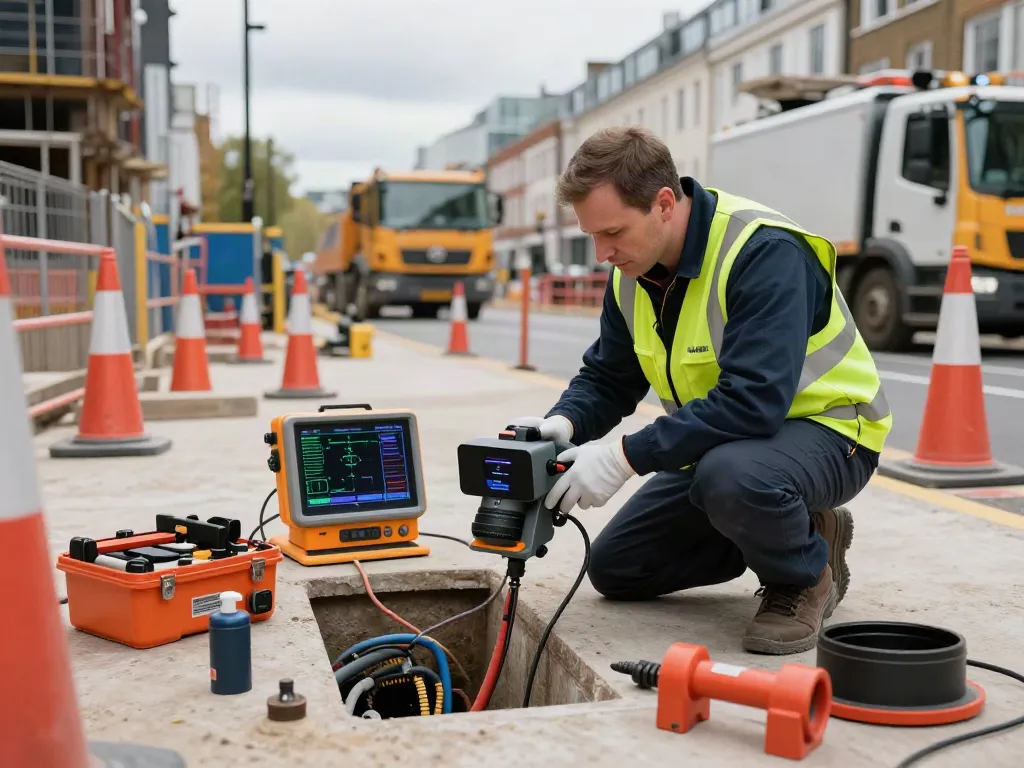
Understanding Buried Services Detection
In the bustling city of London, the necessity of Buried Services Detection London has become a critical component of urban planning and construction projects. With a network of buried utilities including gas, water, electricity, and telecommunications running beneath the surface, awareness of their locations is paramount. As these underground services can pose significant risks during excavation, understanding how to detect and manage these utilities is essential for both safety and efficiency.
What is Buried Services Detection?
Buried services detection is a methodology employed to locate underground utilities and structures before excavation or construction begins. This process involves using various technologies and techniques to ensure the safe identification of subsurface assets, thus preventing damaging strikes that can lead to substantial financial costs, project delays, and safety hazards. Accurate utility detection not only helps protect workers on site but also preserves existing infrastructure.
Importance of Detecting Underground Utilities
The importance of detecting underground utilities cannot be overstated. In London, where the ground is a complex tapestry of utilities, detecting these services can mitigate risks associated with construction activities. Here are some key reasons why buried services detection is crucial:
- Safety: Preventing utility strikes protects workers and the public from potential injury and fatal accidents.
- Cost Savings: Avoiding damage to utilities prevents costly repairs, project delays, and legal liabilities.
- Regulatory Compliance: Many construction projects require adherence to regulations mandating utility detection before excavation.
- Efficiency: Knowing the location of underground utilities allows for more precise planning and execution of projects.
Common Techniques and Technologies
Several techniques and technologies are used in buried services detection, with each offering unique benefits:
- Ground-Penetrating Radar (GPR): Utilizes radar pulses to image the subsurface, allowing for high-resolution visualisation of buried objects.
- Electromagnetic Location: Detects the electromagnetic fields produced by buried utilities, providing a quick identification method.
- Acoustic Detection: Uses sound waves to locate underground services, particularly effective for non-metallic pipes.
- Visual and Historical Records: Consulting engineering plans and utility maps can also aid in understanding the potential locations of utilities.
Ground-Penetrating Radar (GPR) Explained
How GPR Works for Utility Detection
Ground-Penetrating Radar (GPR) is a non-invasive method widely used for detecting buried utilities. It operates by emitting radar pulses into the ground, which then reflect off subsurface structures back to the surface. By analysing these reflected signals, surveyors can create detailed images of the subsurface, revealing the size, depth, and material of underground utilities.
Advantages of Using GPR
The advantages of employing GPR for buried services detection are numerous:
- Accuracy: GPR provides high-resolution images, allowing for precise locating of buried utilities.
- Non-invasive: As a non-destructive testing method, GPR minimises ground disturbance during surveys.
- Versatile: GPR can detect various types of materials, including plastic, metal, and concrete, making it suitable for diverse applications.
Limitations and Considerations
While GPR is a powerful tool, it does have limitations:
- Soil Conditions: The effectiveness of GPR can be impacted by soil composition, moisture levels, and the presence of other underground materials.
- Depth Limitations: Very deep utilities may not be effectively detected due to signal attenuation.
- Data Interpretation: The need for skilled operators to interpret GPR data can limit its effectiveness depending on team expertise.
Best Practices for Excavation Safety
Pre-Excavation Planning
Effective pre-excavation planning is essential to ensure safety and efficiency in construction. This involves:
- Conducting thorough utility surveys using appropriate detection methods.
- Consulting local authorities and utility companies for additional information on underground services.
- Creating a detailed excavation plan that incorporates the data gathered to avoid potential hazards.
Identifying Risks in Utility Strikes
Identifying potential risks associated with utility strikes is a fundamental aspect of excavation safety. Workers should be trained to recognise signs of known utilities and be equipped with the necessary tools to mitigate the risks.
Regulatory Compliance and Guidelines
Regulatory frameworks in London require strict adherence to safety standards for utility detection and excavation. This includes obtaining the necessary permits and ensuring that all detection methods comply with local regulations to effectively manage risks associated with buried services.
Case Studies of Effective Utility Detection
Successful Projects Using GPR
Many successful construction projects in London have employed GPR to identify buried utilities, allowing for efficient and safe excavation. For instance, during the refurbishment of a historic building, GPR helped locate ancient utility lines, preventing potential damage and ensuring compliance with heritage regulations.
Lessons Learned from Utility Strikes
Past incidents of utility strikes provide invaluable lessons for future projects. An analysis showed that many accidents resulted from inadequate utility surveys; thus, investing in reliable detection methodologies can significantly reduce the likelihood of such events.
Future of Buried Services Detection in London
The future of buried services detection in London is poised for innovation. With advancements in technology such as artificial intelligence and improved GPR systems, the accuracy and efficiency of underground utility detection are expected to increase, providing even greater safety and cost savings for construction projects.
Emerging Technologies in Utility Detection
Recent Innovations and Trends
The field of utility detection is witnessing rapid advancements. Recent innovations include enhanced GPR technology that offers superior resolution and faster data processing, alongside new multi-sensor systems that combine various detection methods for increased reliability.
Impact of AI and Machine Learning
Artificial intelligence and machine learning are beginning to transform utility detection. These technologies can help analyse vast amounts of data, improving the accuracy of utility mapping and predicting potential issues before they arise, thereby enhancing safety measures.
Looking Ahead: The Future of Buried Services Detection
As urban development in London continues to expand, the future of buried services detection looks promising. Ongoing research and development in detection technologies will likely lead to safer construction practices and better management of underground utilities, ensuring a more sustainable urban infrastructure.
What are the benefits of buried services detection?
The benefits of buried services detection include increased safety, cost savings, compliance with regulations, and improved project efficiency, all of which contribute to the successful management of construction projects.
How deep are underground utilities buried in London?
In London, underground utilities are typically buried at varying depths depending on the type of service. Gas pipes may be located approximately 600mm deep, while water mains can be found at depths ranging from 750mm to 1,200mm.
What technologies are used for buried services detection?
Common technologies include Ground-Penetrating Radar (GPR), electromagnetic locators, acoustic detection methods, and consulting existing utility maps and historical records.
How do I prepare for a ground-penetrating radar survey?
Preparing for a GPR survey involves clearing the survey area of obstructions, ensuring access to the site, and providing any relevant plans or maps of existing utilities that may assist in the survey process.
What regulations govern utility detection in London?
Utility detection in London is governed by various regulations including The Health and Safety at Work Act, the Construction (Design and Management) Regulations, and local authority guidelines, which aim to ensure the safety of workers and the public.